Expert Cosmetic Body Treatments

Posted on by

Advanced & Personalised Cosmetic Body Treatments

Body treatments are designed to enhance, contour, and rejuvenate the body using advanced, non-surgical aesthetic solutions. Changes in weight, ageing, pregnancy, and lifestyle factors can all impact body shape, skin tone, and firmness. Expert-led body treatments address these concerns safely and effectively, helping you feel more confident and comfortable in your own skin.

Each body treatment begins with a detailed consultation to assess your concerns, treatment goals, and medical suitability. The experienced clinical team creates bespoke treatment plans tailored to your body, lifestyle, and desired outcomes. Whether your goal is to reduce localised fat, improve skin laxity, smooth cellulite, or enhance overall body definition, treatments are carefully selected to deliver natural-looking, long-lasting results.

Clinically proven technologies and techniques are used to prioritise safety, comfort, and effectiveness. The non-surgical approach allows patients to achieve visible improvements with minimal downtime, making body treatments accessible and practical for modern lifestyles.

Benefits of Professional Cosmetic Body Treatments

Professional body treatments offer a range of benefits that go beyond appearance alone. One of the key advantages is targeted precision. Medical-grade body treatments are designed to focus on specific areas that are often resistant to diet and exercise, such as the abdomen, thighs, arms, and flanks.

Body treatments can help contour and sculpt the body by reducing stubborn fat deposits and tightening loose or sagging skin. Technologies such as radiofrequency, laser-based treatments, and injectable therapies stimulate collagen production, improving skin firmness and elasticity over time.

Another important benefit is improved skin quality. Body treatments can significantly reduce the appearance of cellulite, stretch marks, and uneven skin texture. By enhancing circulation and supporting skin regeneration, these treatments help restore smoother, more even-looking skin.

Long-term body confidence is also a major advantage. With a personalised treatment plan and expert guidance, patients can maintain results and continue to improve their body shape gradually. Professional body treatments support sustainable aesthetic outcomes rather than short-term fixes, helping you feel confident in your appearance throughout different stages of life.

Tailored Cosmetic Body Treatment Solutions

No two bodies are the same, which is why body treatments are fully customised. Your treatment plan is designed around your individual anatomy, skin condition, and personal goals. Whether you are looking for subtle refinement or more noticeable contouring, the cosmetic specialists ensure balanced, natural results.

Tailored body treatment solutions may involve combining multiple therapies to address different concerns simultaneously. For example, skin tightening treatments can be paired with fat-reduction procedures to improve both body shape and skin firmness. This holistic approach ensures that results look harmonious and proportionate.

Throughout your treatment journey, you’ll receive clear guidance on what to expect, how to prepare, and how to care for your body afterwards. The team takes the time to explain each step and provide honest advice, ensuring you feel informed and supported at all times.

With bespoke body treatments, patients can enjoy smoother contours, firmer skin, and enhanced confidence. The focus is on delivering safe, effective body treatments that align with your goals and help you feel your best from the inside out.

Category: Uncategorized

Stainless Steel Properties

Posted on by

Stainless Steel Qualities

  1. Durability: Stainless steel grades are designed to last, offering long-term performance and reliability even in the toughest environments.
  2. Corrosion Resistance: Stainless steel is highly resistant to corrosion, which makes them ideal for industries like marine, construction, and food processing.
  3. High Strength: Stainless Steel with exceptional tensile and yield strength, ensuring that your structures and equipment are built to withstand heavy loads and stress.
  4. Versatility: Whether you need stainless steel for construction, manufacturing, or specialised engineering projects, the diverse selection of steel grades suits every requirement.
  5. Cost-Effective: Stainless steel is not only high-quality but also cost-effective, giving you the best value for your investment.

Types of Stainless Steel

Grade 303 Stainless Steel
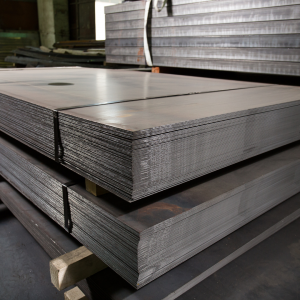
Grade 303 is the most machinable material amongst the stainless steels. It is specifically designed for applications that involve extensive machining during production. The addition of sulphur and phosphorus improves its machinability and resistance to galling but slightly reduces its corrosion resistance compared to Grade 304.

Grade 304 Stainless Steel
Grade 304 is the most commonly used and versatile stainless steel grade, available in more forms, finishes, and applications than any other type. Its balanced structure allows for deep drawing without the need for intermediate annealing, making it ideal for forming complex shapes. It also provides excellent oxidation resistance, withstanding intermittent extreme temperatures.

Grade 316 Stainless Steel
Following Grade 304, Grade 316 is the second most widely used austenitic stainless steel. It maintains excellent toughness even at cryogenic temperatures. It offers superior corrosion resistance in a wide range of environments and atmospheric conditions.

Grade 410 Stainless Steel
Grade 410 is a fundamental stainless steel known for achieving high mechanical strength through heat treatment. It offers a well-balanced combination of toughness, ductility, and corrosion resistance, along with good scaling resistance up to 649°C. These properties make it ideal for applications that demand both strength and durability in challenging or high-temperature environments.

Stainless Steel Applications Across Industries

Construction and Infrastructure:
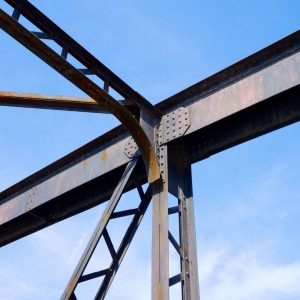
Structural steel products deliver exceptional strength and stability for critical infrastructure projects, from bridges and highways to high-rise buildings and industrial complexes.

Manufacturing:
Steel serves as a vital material in the production of machinery, tools, and equipment across diverse industries, including automotive, aerospace, and heavy manufacturing.

Energy Sector:
Steel provides corrosion-resistant and high-temperature which meets the demands of the energy industry, ideal for oil, gas, and renewable energy applications.

Agriculture and Mining:
Our wear-resistant steel grades are engineered for durability in demanding environments, making them perfect for agricultural and mining equipment that requires long-lasting performance and minimal maintenance.

stainless steel

Category: Uncategorized

First Aid Training at Work

Posted on by

The Importance of First Aid Training at Work

A first aid training course is always beneficial for employees to promote safety in the workplace and to learn how to address accidents and emergencies immediately with an effective response. Basic first aid training could be the difference between saving someone’s life and, with a better understanding of how to prevent injuries, workplaces can become safer spaces and minor or major injuries can be avoided.

First aid training at work will instil more confidence in your employees as they are more prepared in the event of an emergency. Booking in for a course in first aid and learning skills such as CPR, how to use bleed kits or defibrillators, learning the recovery position and how to best tend to burns, wounds or promote a more responsible environment.

It is often a requirement by law and often, insurance companies, that employers undertake regular first aid training and have a member of the team who is a first aider.

What First Aid Training at Work Covers

First aid training at work can cover a range of practical and knowledge skills on how to best respond to certain situations. For example, some of the following are covered in courses that offer an all-around understanding of first aid for employees.

Basic Life Support– Learn how to help an unconscious person and perform CPR, or how to use a defibrillator.

Managing wounds or bleeding- Treating cuts to avoid infection and promote healing. Managing bleeding is vital and having the skills and techniques for these emergencies can be life-changing.

Choking and Breathing Problems- Responding to airway blockages and other respiratory emergencies.

Unconsciousness and Shock– Identifying signs of shock and caring for people appropriately.

Strokes, Seizures, Diabetes – for medical conditions that need quick responses, first aid training equips employees with the confidence to spot signs and symptoms where immediate care is required.

First Aid Training at Work

Category: Uncategorized

Metal Fabrication

Posted on by

What is Metal Fabrication?

More than just welding and cutting, metal fabrication is the world you see around you. From bridges, to machinery, automobiles and infrastructure, the metal seen in the everyday world is often cut, bent, welded, assembled, coated and tested.
Metal fabrication takes metal and turns it from a raw material into a shape or function that requires strength, durability and flexibility for all kinds of projects. Whether it’s for construction, manufacturing, or custom projects, professional metal fabrication ensures that every piece is built to last.

Metal fabrication in all Industries

Without metal fabrication, modern infrastructure would not exist. Fabricated metal products support nearly every sector:
• Construction: Beams, columns, staircases, and railings.
• Manufacturing: Machine frames, enclosures, and tools.
• Transportation: Vehicle chassis, ship hulls, and aircraft parts.
• Energy: Oil rigs, wind turbine frames, and solar panel mounts.
Metal fabrication is a craftsmanship, requiring skilled professionals to evolve materials with technologies new and old, for custom components. From small details and parts like nuts and bolts to large sheets of metal for shipbuilding, beams for structural support, fabricators are capable of producing projects that stand the test of time.

Metal Fabrication Process

A Metal Fabricator can work from designs to completion. Using press brakes, they can bend sheets and bars of metal into shape. They can roll metal into curves, sharp corners or cylindrical tubes. Stamping and punching techniques create holes and patterns for particular fixings or details.
Welding comes as part of the assembly of a metal project. Combining several parts and joining structures seamlessly, with strong and sturdy welding techniques.
The final step is surface finishing, which improves both appearance and durability. This can involve grinding, polishing, painting and powder coating for protection against corrosion.

Custom Metal Fabrication

Custom metal fabrications are possible for many industries and projects, and finding a metal fabricator who will bring your designs to life is always possible. Custom designs are possible down to the finite details and awkward shapes. State-of-the-art machinery as well as old-fashioned hand welding produce long-lasting, strong and adaptable parts.

structural Steel Fabrication

Category: Uncategorized